Hwange National Park
Welcome to Hwange National Park, Zimbabwe’s largest and most legendary wildlife sanctuary. Spanning over 14,000 square kilometers of pristine wilderness, an area roughly the size of Connecticut or Northern Ireland, Hwange is a landscape of breathtaking contrasts. Here, vast open grasslands and ancient teak forests blend seamlessly into Acacia scrublands and sun-baked salt pans, creating a timeless refuge for Africa's most iconic species. The terrain is flat, wide and hypnotic, offering endless horizons and some of the most spectacular, golden-red African sunsets you will ever witness.
Unforgettable Activities
Discover a variety of ways to connect with Hwange's wild landscape.
Classic Game Drives
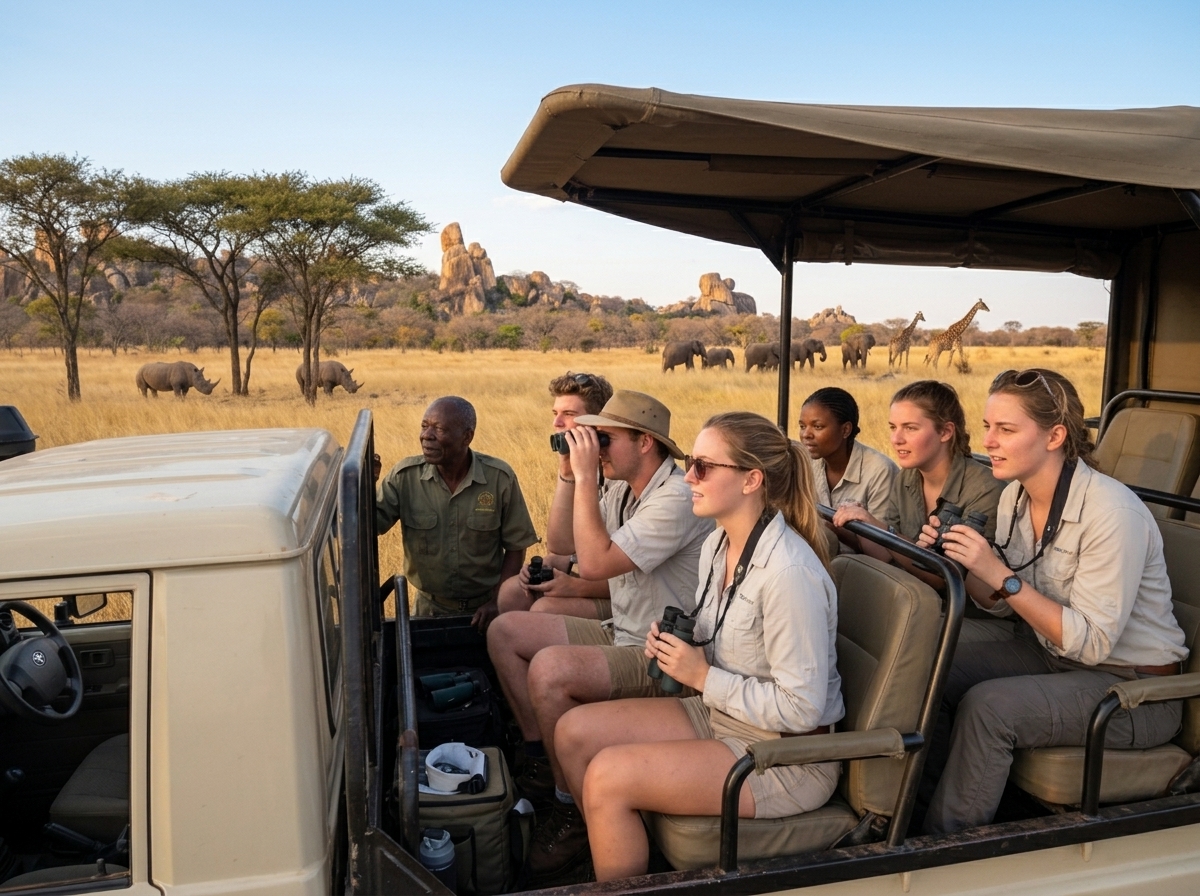
Traverse the park's network of tracks in 4x4 vehicles with expert local guides who can spot a leopard in the branches or decode animal tracks in the dust.
Waterhole Stakeouts
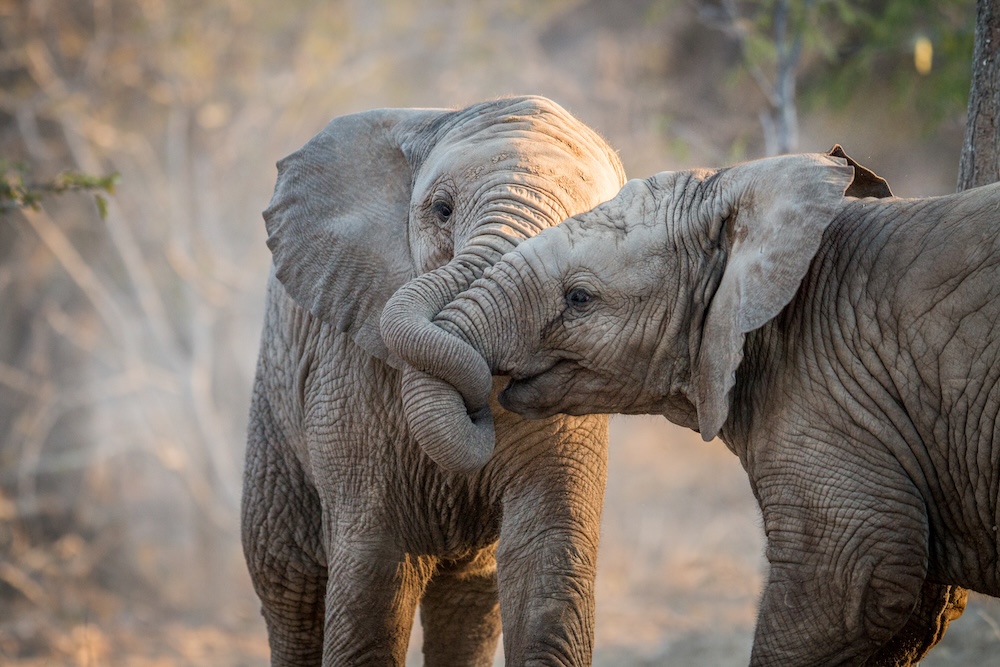
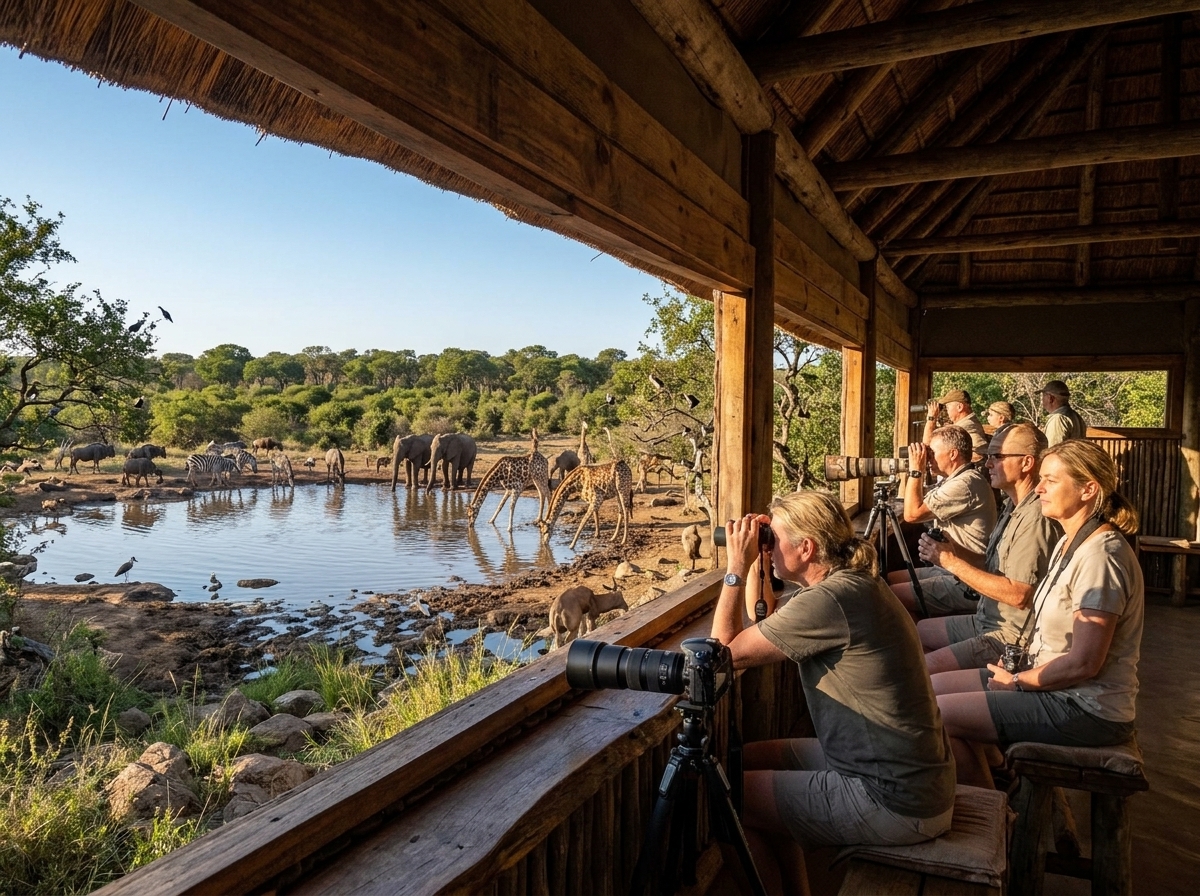
Sit quietly at hidden game-viewing platforms and watch endless parades of elephants, giraffes and zebras take their turn at the water.
Walking Safaris
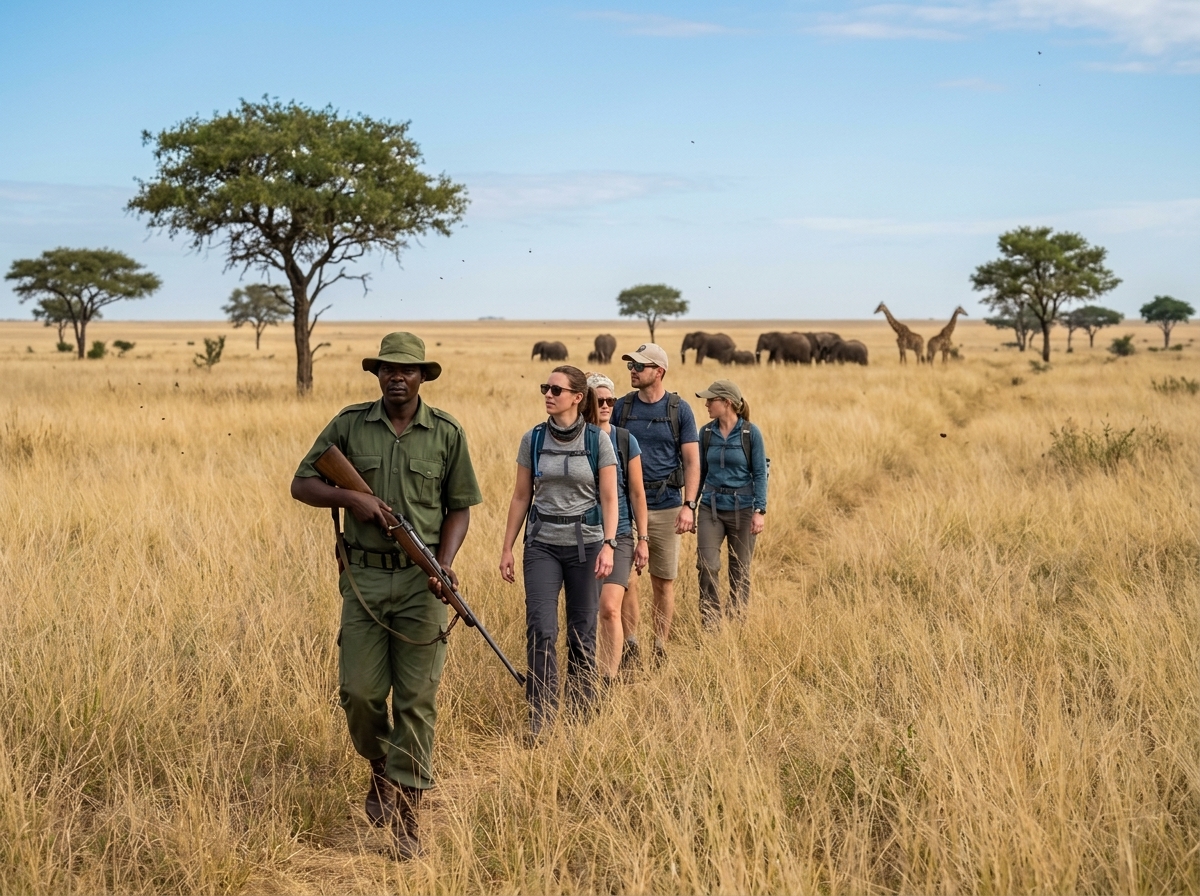
Step out of the vehicle and experience the bush on foot, learning about the smaller wonders of the ecosystem, from medicinal plants to insect tracks and bird calls.
Community Cultural Visits
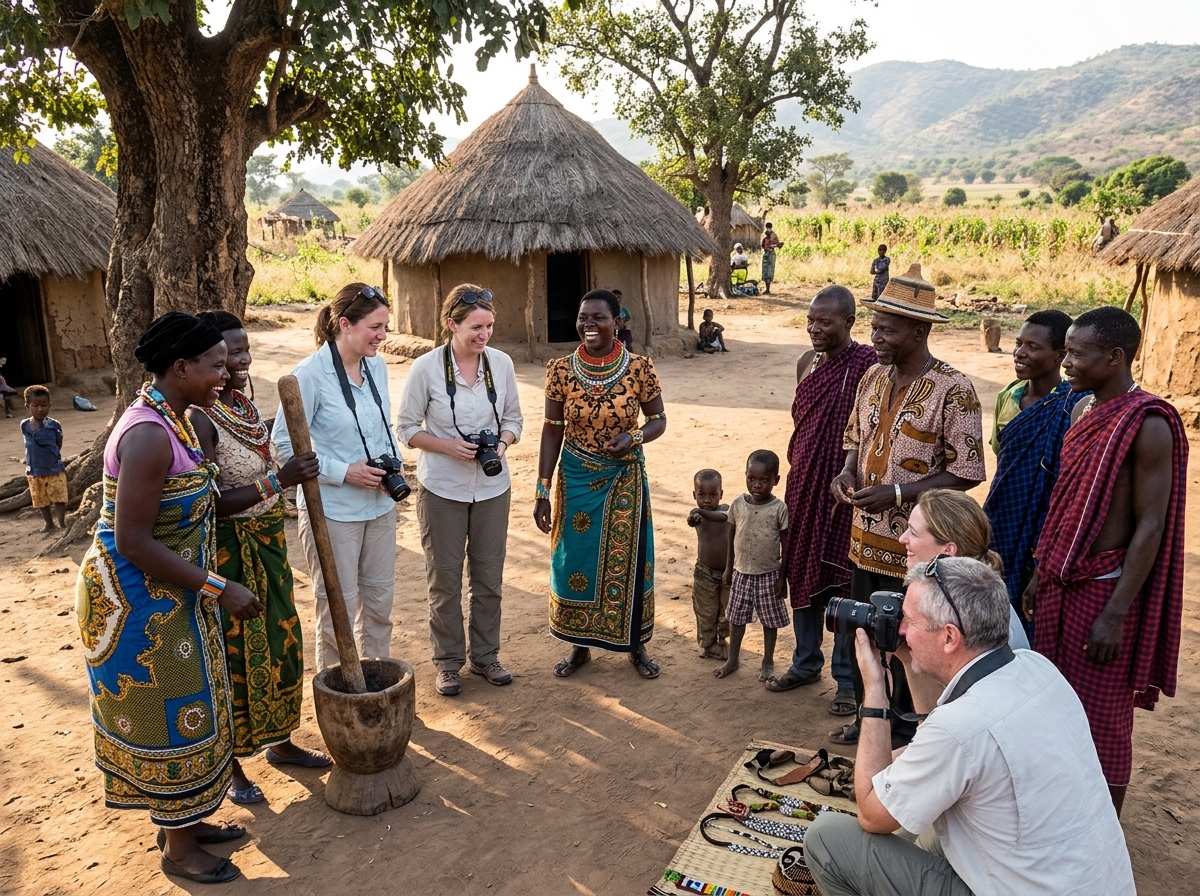
Connect with neighbouring rural villages and the vibrant local Nambya and Tonga communities to learn about traditional heritage, storytelling and sustainable coexistence.
Accommodation & Stays
A wonderful range of places to rest under the African stars, tailored to every travel style.
Tented Bush Camps
Intimate, eco-friendly canvas camps set deep within the wilderness, offering an authentic, close-to-nature sleeping experience accompanied by the sounds of the night.
Safari Lodges
Comfortable, family-friendly lodges featuring thatched chalets, swimming pools, and viewing decks overlooking active waterholes.
National Park Rest Camps
Managed by Zimbabwe Parks and Wildlife Management Authority, these provide affordable chalets, camping grounds and picnic sites right inside the park gates.
Practical Traveller Information
Everything you need to know before embarking on your journey to Hwange.
Best Time to Visit
Dry Winter (July – October): Ultimate game viewing as animals concentrate around waterholes.
Green Season (November – April): Lush landscapes, newborn animals, and phenomenal birdwatching.
Getting There
Most travelers fly into Victoria Falls or Bulawayo, followed by a scenic road transfer or domestic flight directly into the park's airstrips.
What to Pack
Neutral-coloured clothing for game drives, a warm fleece for early morning safaris, sturdy walking shoes, a wide-brimmed hat, sunscreen, binoculars, and your sense of wonder.